Article: How to Choose Turban Colors That Flatter
How to Choose Turban Colors That Flatter
The right turban color can change everything. A simple outfit suddenly looks styled, your features feel brighter, and getting dressed takes a lot less effort. If you’ve been wondering how to choose turban colors without second-guessing every look, the good news is that it does not have to be complicated.
The best color is not always the trendiest one. It is the shade that makes you feel polished, confident, and like yourself the moment you put it on. Sometimes that means a rich neutral you can wear on repeat. Sometimes it means a bold jewel tone that does all the work for you.
How to choose turban colors for your skin tone
Skin tone is one of the easiest places to start because some shades naturally bring warmth, brightness, and softness to your face. You do not need to memorize strict beauty rules, but paying attention to undertones helps.
If your skin has warm undertones, shades like camel, chocolate, rust, olive, mustard, warm beige, and deep coral often look especially flattering. These colors tend to enhance golden or peachy tones in the skin instead of fighting against them. A warm burgundy or deep terracotta can also feel rich and elegant without being too loud.
If your skin has cool undertones, cooler shades usually feel fresher and more balanced. Think black, crisp white, charcoal, emerald, navy, berry, plum, and blue-based red. These colors can make the complexion look clearer and more defined, especially when you want a polished finish.
If your undertone feels neutral, you have more freedom. Soft taupe, rose brown, mocha, dusty mauve, cream, and true red can all work beautifully. Neutral skin tones often have the easiest time moving between warm and cool shades, so the better question becomes what kind of mood you want your turban to create.
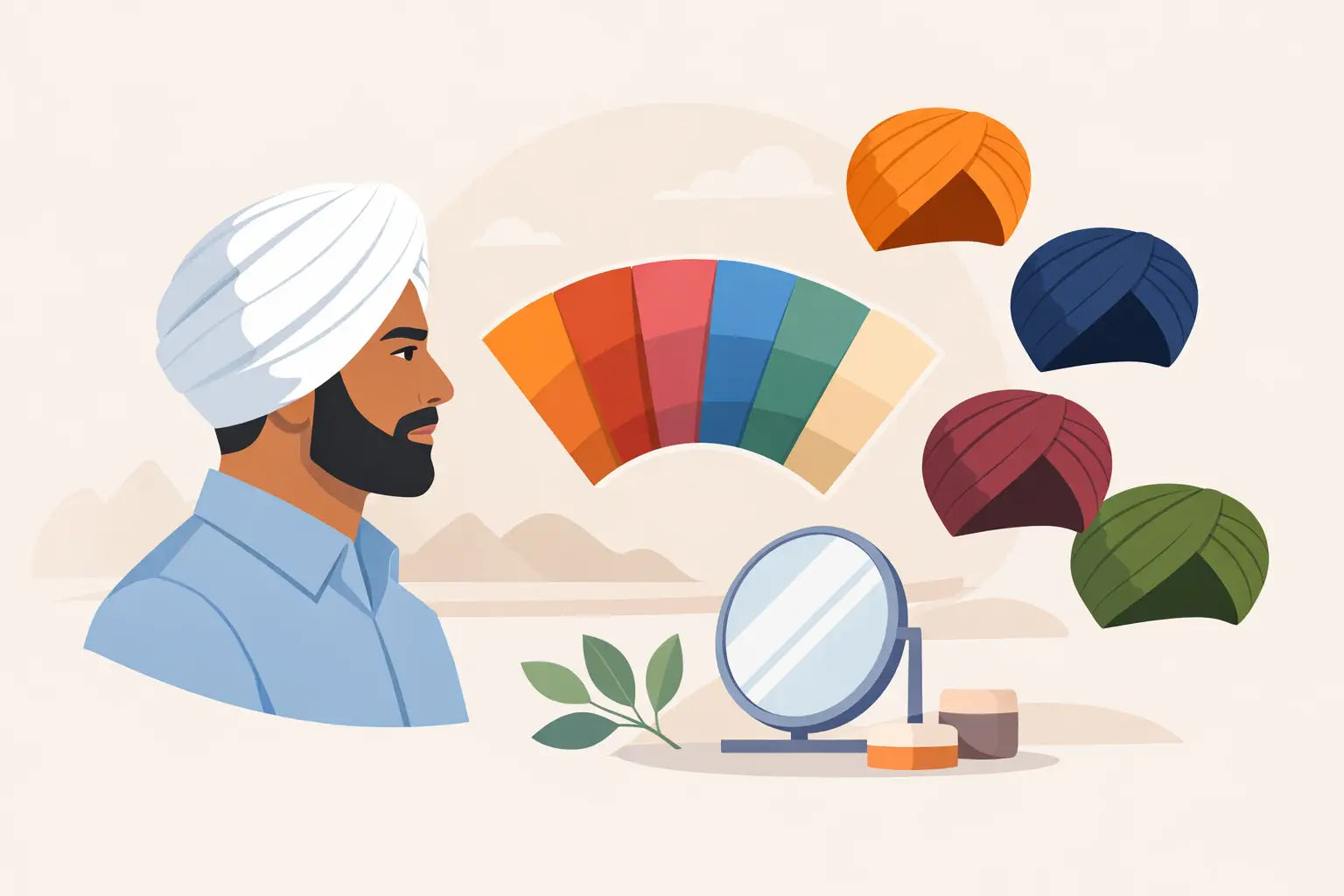
If you are not sure about your undertone, do not get stuck there. Hold different colors near your face in natural light. The right shade usually makes your skin look more awake. The wrong one can make you look tired, washed out, or slightly gray.
Start with the colors you wear most
A turban should make getting ready easier, not harder. That is why your closet matters just as much as your complexion.
If you wear a lot of black, cream, denim, tan, or soft monochrome looks, neutral turbans will give you the most mileage. Black, beige, mocha, gray, ivory, and chocolate tend to blend beautifully into an everyday wardrobe. They feel elevated, versatile, and easy to repeat without looking repetitive.
If your wardrobe leans feminine or dressy, richer shades may serve you better. Burgundy, emerald, deep purple, navy, and dusty rose can act like statement pieces while still feeling elegant. They pair especially well with dresses, tailored sets, satin textures, and polished day-to-night looks.
If you love prints, choose one or two turban colors that already appear in your clothes. That creates a pulled-together look without overthinking it. A solid turban in a color pulled from a floral, striped, or abstract print often looks intentional and chic.
Choose your turban color based on the effect you want
Some colors blend in. Some take over in the best way. Knowing the effect you want makes shopping much easier.
For an easy everyday look, go with colors that feel effortless and wearable. Black, taupe, beige, navy, and soft brown are dependable for a reason. They work when you want to look polished fast, especially on busy mornings or low-effort days.
For a soft, feminine feel, blush, mauve, cream, soft cocoa, and muted rose are beautiful choices. These shades add a gentle finish and often pair well with makeup looks that are fresh and natural.
For a bold, confident statement, jewel tones are hard to beat. Emerald, royal blue, wine, plum, and ruby instantly add depth and presence. They are especially powerful when the rest of the outfit is simple and you want the turban to be the focus.
For a clean, luxe look, monochrome always works. A black turban with a black outfit feels sleek. A cream turban with tonal neutrals feels expensive and refined. Matching close color families often looks more elevated than trying to force contrast.
How to choose turban colors for different occasions
The same color may feel perfect for one setting and less right for another. Occasion matters, but it does not have to limit your style.
For everyday wear, most women reach for practical shades first. Black, brown, beige, olive, and navy are the colors you can wear on repeat without thinking twice. They hide the stress of frequent wear and pair easily with casual outfits, outerwear, and on-the-go styling.
For work or more polished daytime looks, try structured neutrals and deep classic shades. Charcoal, espresso, camel, burgundy, and deep navy look sophisticated without feeling too flashy. They can help your whole outfit feel sharper in seconds.
For special occasions, richer and lighter tones both have a place. Satin-like neutrals, soft metallic-inspired shades, ivory, deep jewel tones, and dramatic black all feel elevated. The best choice depends on whether you want softness, glamour, or contrast against your outfit.
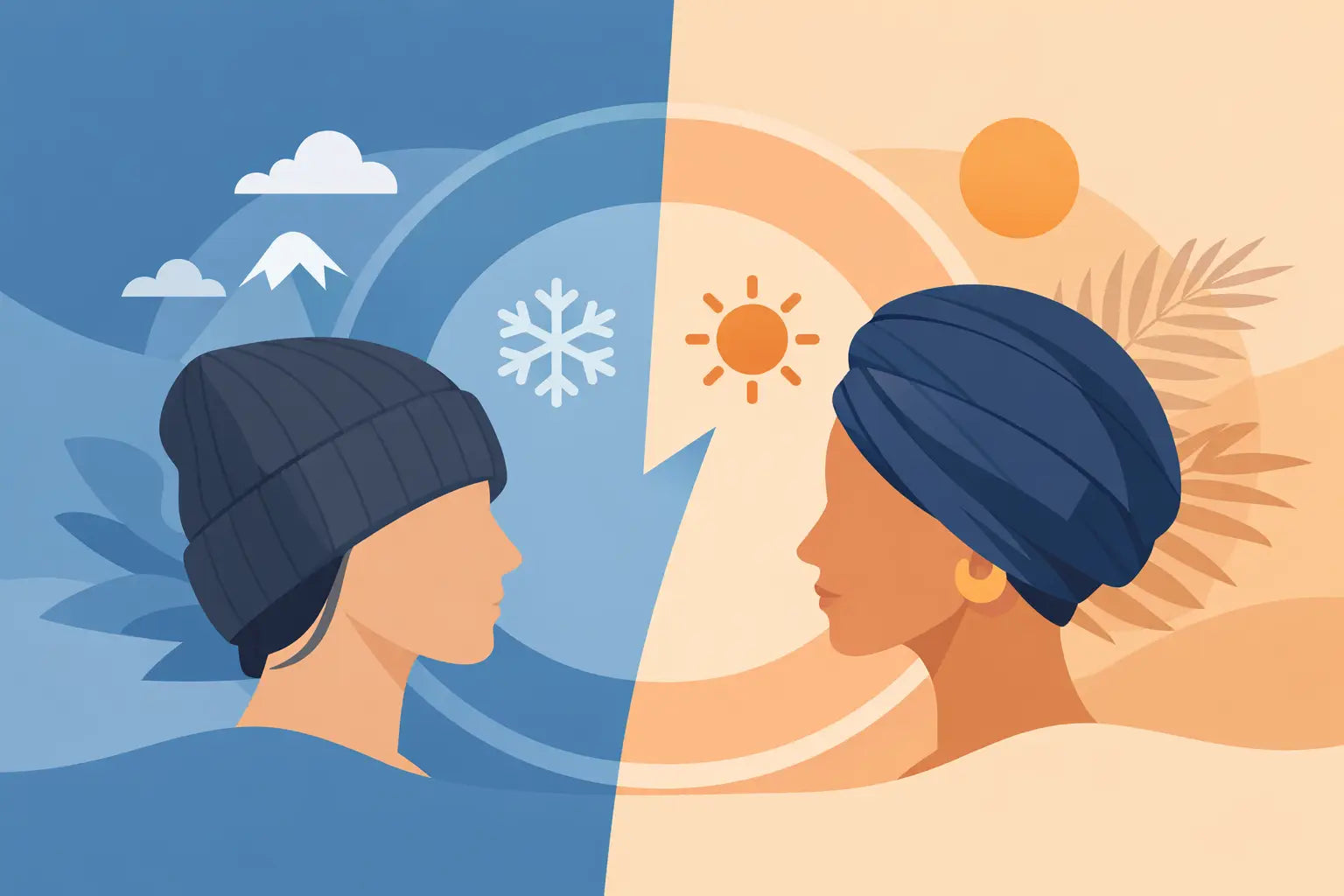
For warm weather, lighter shades often feel fresher. Sand, cream, blush, light gray, and muted pastels can brighten your look beautifully. For colder months, deeper shades like cocoa, forest green, burgundy, and plum usually feel more seasonal and cozy.
The easiest rule: build a small color wardrobe
If you are buying your first few turbans, do not try to cover every possible shade. A small, smart color wardrobe is much more useful.
Start with one true neutral that goes with almost everything. For many women, that is black, beige, mocha, or navy. Then add one soft shade that feels feminine and flattering. After that, choose one statement color that instantly lifts your favorite outfits.
That simple mix gives you variety without clutter. It also helps you see which colors you naturally reach for before adding more. Many women think they need a large collection, but a few well-chosen shades often do more than a drawer full of random colors.
When contrast works and when it does not
Contrast can make a turban stand out beautifully, but it depends on the outfit and your features.
If your outfit is neutral, a bold turban can be the piece that makes everything feel finished. A camel set with a burgundy turban or an all-black outfit with emerald can look incredibly stylish with very little effort.
But if your outfit already has strong color, heavy contrast can sometimes compete. In those moments, staying within the same family or choosing a softer version of one shade often looks more refined. There is no rule that says your turban has to be the loudest part of the look.
The same goes for facial contrast. If you have dark hair, dark brows, or naturally high contrast features, strong shades like black, navy, and ruby can feel striking. If your features are softer, dusty tones and mid-range neutrals may feel more harmonious.
Do not ignore fabric and finish
Color does not live on its own. The same shade can look completely different depending on the material.
A black turban in a matte knit feels casual and effortless. A black turban in a smooth, dressier fabric feels sleek and elevated. Cream in a soft cotton blend can feel relaxed, while cream in satin can read more occasion-ready.
That is why a color you thought was too simple can become your favorite once it is done in the right texture. If you love a shade but something feels off, it may not be the color. It may be the finish.
The most flattering color is the one you wear confidently
There are helpful guidelines, but personal style still leads. Some women glow in warm neutrals. Others come alive in dramatic black or rich berry tones. The right turban color should support how you want to feel when you leave the house.
If you want your look to feel easy, choose colors that blend into your wardrobe. If you want your turban to transform the outfit, choose color with intention and let it shine. And if you are between two shades, pick the one that makes you feel more beautiful the second you see it on.
That feeling matters more than chasing the perfect formula. The best color is the one that gives you that polished, confident, instantly put-together energy you will want to wear again tomorrow.